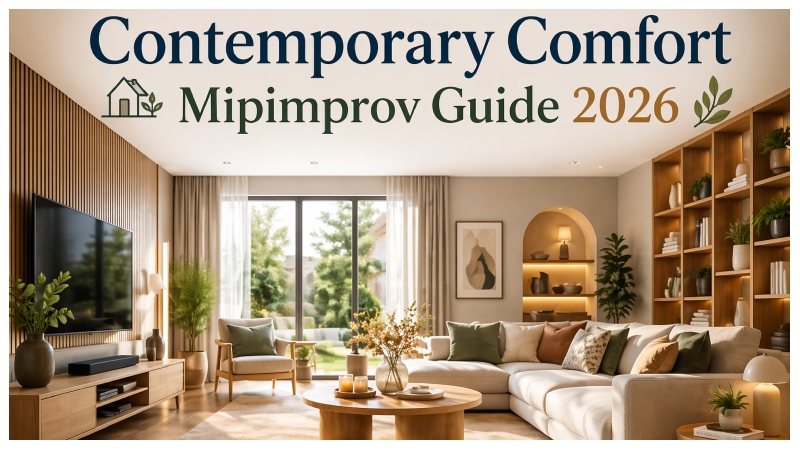
Contemporary Comfort Mipimprov Guide 2026
Modern homes are no longer just about appearance. People want spaces that support their daily routines, reduce stress, and improve overall well-being. This shift has led to the rise of contemporary comfort mipimprov, a concept that blends modern design with practical comfort and continuous improvement.
Instead of focusing only on aesthetics, this approach prioritizes how a space feels and functions. It encourages simple upgrades that make everyday life easier and more enjoyable.
In this guide, you will discover what this concept really means, why it matters today, and how you can apply it effectively in your own space.
Understanding Contemporary Comfort Mipimprov
At its simplest, contemporary comfort mipimprov is about creating a modern living environment that is both comfortable and functional, while continuously improving it over time.
It combines three essential ideas:
- Modern, clean, and uncluttered design
- Physical and emotional comfort
- Ongoing small improvements instead of major changes
This approach shifts the focus from “perfect design” to “better living.” It is not about expensive makeovers it is about making smarter choices.
Why This Approach Is Gaining Popularity
Changing Daily Life
Homes now serve multiple purposes. They are workplaces, relaxation zones, and social spaces all at once. This demands flexibility and comfort.
Growing Focus on Mental Well-Being
A well-designed environment can reduce stress and improve mood. People are becoming more aware of how their surroundings affect them.
Preference for Practical Solutions
Instead of costly renovations, people want affordable, effective improvements that deliver immediate results.
Because of these changes, contemporary comfort mipimprov is becoming highly relevant in modern living.
Core Principles You Should Follow
Purposeful Simplicity
A simple space does not mean an empty space. It means removing what is unnecessary while keeping what truly matters.
- Keep useful items
- Avoid visual clutter
- Maintain balance
This creates a calm and focused environment.
Comfort as a Priority
Every element in your space should support comfort.
- Choose ergonomic furniture
- Use soft fabrics
- Ensure proper seating and posture
A visually appealing space is meaningless if it feels uncomfortable.
Functional Design
Design should solve problems, not create them.
Examples include:
- Multi-purpose furniture
- Smart storage solutions
- Flexible layouts
This ensures your space adapts to your needs.
Continuous Improvement Mindset
The idea of improvement is central here. You do not need to change everything at once.
Start with small steps:
- Adjust lighting
- Improve ventilation
- Rearrange furniture
Over time, these small upgrades create noticeable transformation.
Emotional Comfort
Your space should make you feel relaxed and connected.
Add personal elements like:
- Meaningful decor
- Indoor plants
- Soft textures
A comfortable space is one that reflects your personality.
Essential Elements of a Modern Comfortable Space
Balanced Aesthetics
A well-designed space balances simplicity with warmth.
- Clean lines create order
- Textures add comfort
Avoid extremes too minimal feels cold, while too decorative feels overwhelming.
Effective Lighting Design
Lighting plays a major role in comfort.
Use layered lighting:
- General lighting for visibility
- Task lighting for work
- Soft lighting for relaxation
Warm tones usually create a more inviting atmosphere.
Use of Natural Materials
Natural elements make a space feel calm and grounded.
Common materials include:
- Wood
- Cotton
- Linen
They soften the environment and improve overall comfort.
Calming Color Choices
Colors directly influence mood.
Neutral tones such as:
- Beige
- Soft white
- Earth shades
help create a peaceful and stress-free environment.
Smart Technology Integration
Technology should simplify your life.
Useful additions include:
- Adjustable lighting systems
- Temperature control
- Noise reduction solutions
When used properly, technology enhances comfort without adding complexity.
How to Apply This Concept Step by Step
Remove Unnecessary Clutter
Start by clearing your space.
Keep only items that are useful or meaningful.
Improve Layout and Flow
Arrange furniture to allow easy movement and better functionality.
Even small layout changes can improve daily comfort.
Upgrade Key Furniture
Focus on items you use most:
- Bed
- Sofa
- Work chair
These have the biggest impact on your comfort.
Enhance Lighting
Replace harsh lighting with softer options.
Add lamps to create a more relaxed environment.
Introduce Textures
Textures make a space feel complete.
Use:
- Rugs
- Cushions
- Curtains
They add warmth and depth.
Personalize Your Space
Make your space feel like your own.
Add elements that reflect your lifestyle and preferences.
Comparison: Traditional Design vs Modern Comfort Approach
| Aspect | Traditional Design | Modern Comfort Approach |
|---|---|---|
| Focus | Visual appeal | Comfort and usability |
| Furniture | Decorative | Practical and ergonomic |
| Flexibility | Limited | Highly adaptable |
| Updates | Occasional | Continuous improvement |
| Experience | Formal | Relaxed and personal |
This comparison highlights why contemporary comfort mipimprov is more aligned with modern needs.
Common Mistakes to Avoid
Ignoring Comfort
Choosing style over comfort leads to dissatisfaction.
Over-Minimalism
Too much simplicity can make a space feel lifeless.
Poor Lighting Decisions
Harsh lighting can negatively affect mood and comfort.
Copying Trends Blindly
Not every trend fits your lifestyle. Focus on what works for you.
Trying to Do Everything at Once
Gradual improvement is more effective and sustainable.
Benefits You Can Expect
When applied correctly, this approach provides:
- Reduced stress levels
- Better focus and productivity
- Improved relaxation
- More efficient use of space
- Long-term satisfaction
These benefits make contemporary comfort mipimprov a practical solution for modern living.
Real-Life Example
Consider a typical room before improvement:
- Cluttered layout
- Bright, harsh lighting
- Uncomfortable seating
After small changes:
- Organized space
- Warm lighting
- Comfortable furniture
The difference is not just visual it transforms how you feel and function daily.
Is It Budget-Friendly?
Yes, this approach is highly flexible.
You can start with simple changes like:
- Rearranging furniture
- Changing lighting
- Adding affordable decor
You do not need a large budget to see real improvements.
Conclusion
Modern living requires more than just stylish interiors. People need spaces that support their routines, improve their mood, and make everyday life easier.
That is exactly what contemporary comfort mipimprov delivers a balanced approach that combines design, comfort, and continuous improvement. Visit my website for more details.
Start small, stay consistent, and focus on what truly improves your daily experience. Over time, even the smallest changes can create a space that feels perfectly suited to your life.
One Comment